Category Archives: Start-up data

Swiss medtech start-ups and their ecosystem

Here is my seventh contribution to EPFL’s start-up of the month. It is about medtech and specifically KB medical. It’s also about the Swiss innovation ecosystem.

KB Medical, a new start-up in the world of medical technology, just announced that its fundraising effort raised 4 million Swiss francs.

The news is surprising in more ways than one. KB was founded on October 4, 2012, and the fundraising announced on October 29. It is rare for a start-up to launch with initial funding without having to go through the agonies of surviving in our ecosystem that subsists on subsidies. What’s more, this start-ups is active in an area in which private funding is less common than with the Internet and biotechnology.

These apparent surprises are, however, misleading. Szymon Kostrzewski and Philippe Bérard (the K and B of KB Medical) have been pursuing their research for years in the Biorobotics Laboratory at EPFL. They were supported by an Innogrant. Furthermore, they also received a boost from the Liechti Foundation and were winners of the National Venture 2012. Also, Szymon spent time in Boston as the winner of VentureLeaders. Therefore, the research upstream has been discreet but effective. There is probably a lesson to this announcement: there is no point in creating a start-up prematurely if it is not necessary.

Medical Technology in the Footsteps of the Watchmaking Tradition

Perhaps more importantly, the Lake Geneva region is fertile for medical technology research from the fields of micro-technologies and robotics. The famous Delta Robot is from the same laboratory of Professor Clavel. More recently, start-ups such as Endoart, Sensimed, and Aleva Neurotherapeutics succeeded at raising significant capital. And even more recently, DistalMotion from Ricardo Beira and StereoTools from Remi Charrier were launched through the support of their laboratory plus an Innogrant. These three young start-ups are distinctive for their use of extreme mechanical precision to improve the performance of delicate surgical procedures.

We often speak of engineering for local technology clusters. In the footsteps of the watch industry, the substance of SMEs specializing in medical technology was created in Switzerland. Today start-ups enrich what could resemble a Medical Valley, in the shadow of pharmaceutical giants such as Roche and Novartis and under the friendly gaze of Medtronic and Johnson and Johnson (J&J).

On the Board of KB Medical, one finds Malgosia Iwankowska who worked at J&J, Medtronic, and Sensimed. This is a technology cluster, but even more, it is human talent and a network of connections that develops and grows over the course of years. This Swiss tradition of precision quality and bespoke, however, is widely recognized, and that somewhat demystifies the intrigue of KB Medical’s remarkable news.

More infos:

Several Medtech Start-ups at EPFL
What’s a start-up? And a spin-off?

I had given the same title to a post in November 2011! When listening to Pedro Bados, founder of Nexthink (an EPFL spin-off) on Radio Suisse Romande (you can listen to the podcast from time 6’50” (in French!), I needed to come back on the topic.

Let me give again Steve Blank’s definition which I had mentioned in the previous post: “startups are temporary organizations designed to search for a scalable and repeatable business model.” According Pedro Bados, “to be a start-up is more a mindset, focused on permanent innovation, than a question of size.” It is therefore a delicate definition and let me try to give general criteria.

A start-up is a corporation which explores, which is looking for a business model, a market, customers and is trying to innovate. It usually looks for a big market (“scalable”) and therefore service businesses do not qualify (except on the web) as they do not often scale. It is also a matter of strong and rapid growth in emerging markets because the competition is tough and there will be few winners. It often go fast. That is why it is more about a mindset: you are curious, in an uncertain world, trying to bring new things to the world.

Because you are looking for a business, you do not have enough paying customers, and you will most likely need external capital (business angels, venture capital) except if your future customers accept to pay a lot in advance. This is why there is a strong correlation between being a start-up and having investors.

Once you have found what you are looking for, you will need to put more processes in place, you will be less curious, maybe less innovative (at least you will not be 100% innovative anymore) and you stop being a start-up. In a recent post about a new book on Google, I mentioned that “Part II is about growth and it is a change from the chaotic experimental company Google was. Not a dramatic change, but a change.” Google stopped being a start-up at that point. Bados is right. It is not a question of size, not even of age, as long as you fit in this exploring mindset, looking for your business with a lot of creativity. And Blank’s definition is definitely good!

Now what’s a spin-off? It’s a company created from a bigger organization (university, corporation). A spin-off may or may not be a start-up, but most academic spin-offs are indeed start-ups.

12.12.12 and Silicon Valley start-ups

No, it’s not another number trick after my 7 x 7 = (7-1) x (7+1) + 1, it’s just noticing today’s special date. I quickly did some search and found an interesting coincidence (just to show you there is no magic, just facts!)


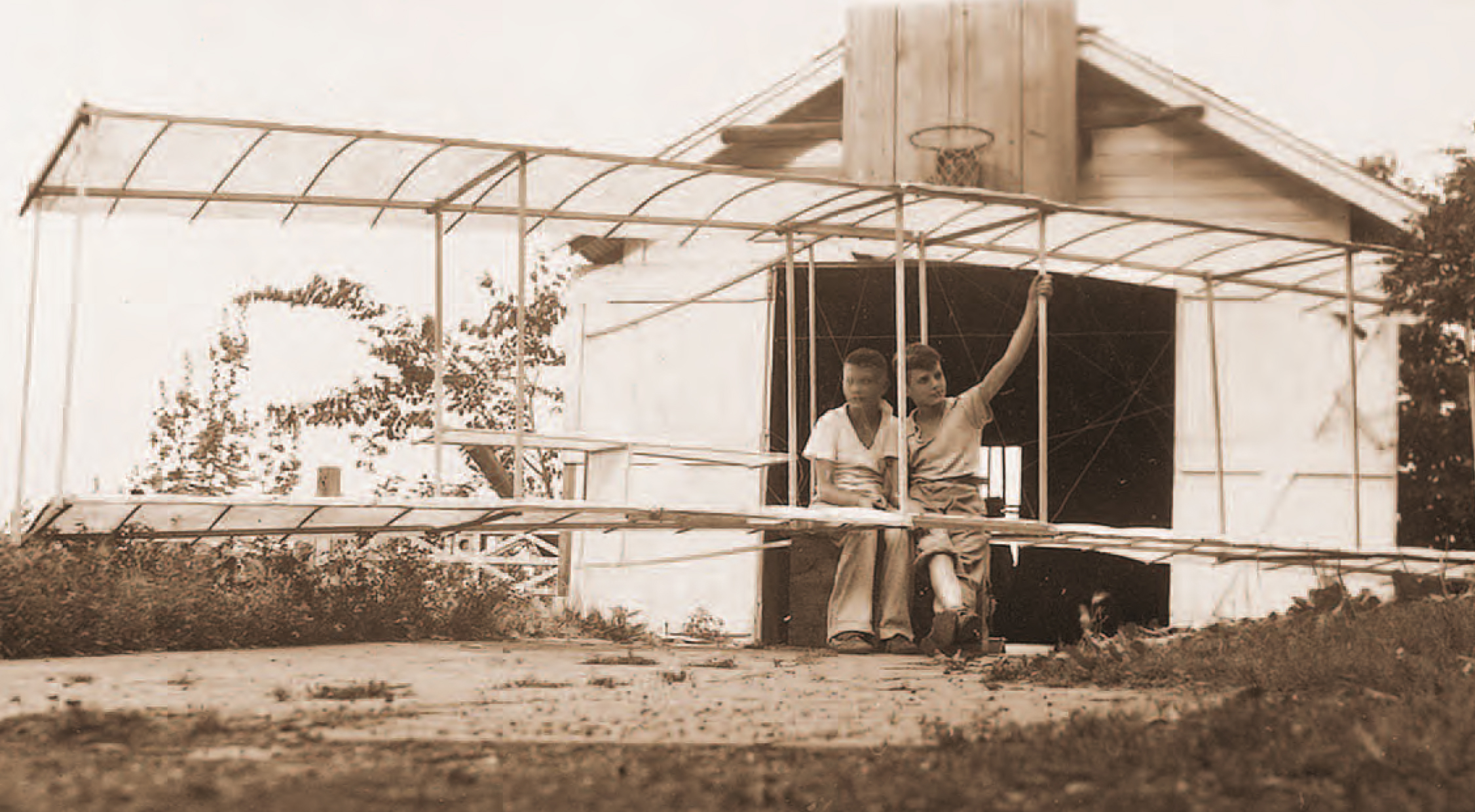
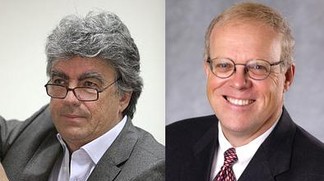
This kind (on the right), then 12-year old, was born on December 12, 1927

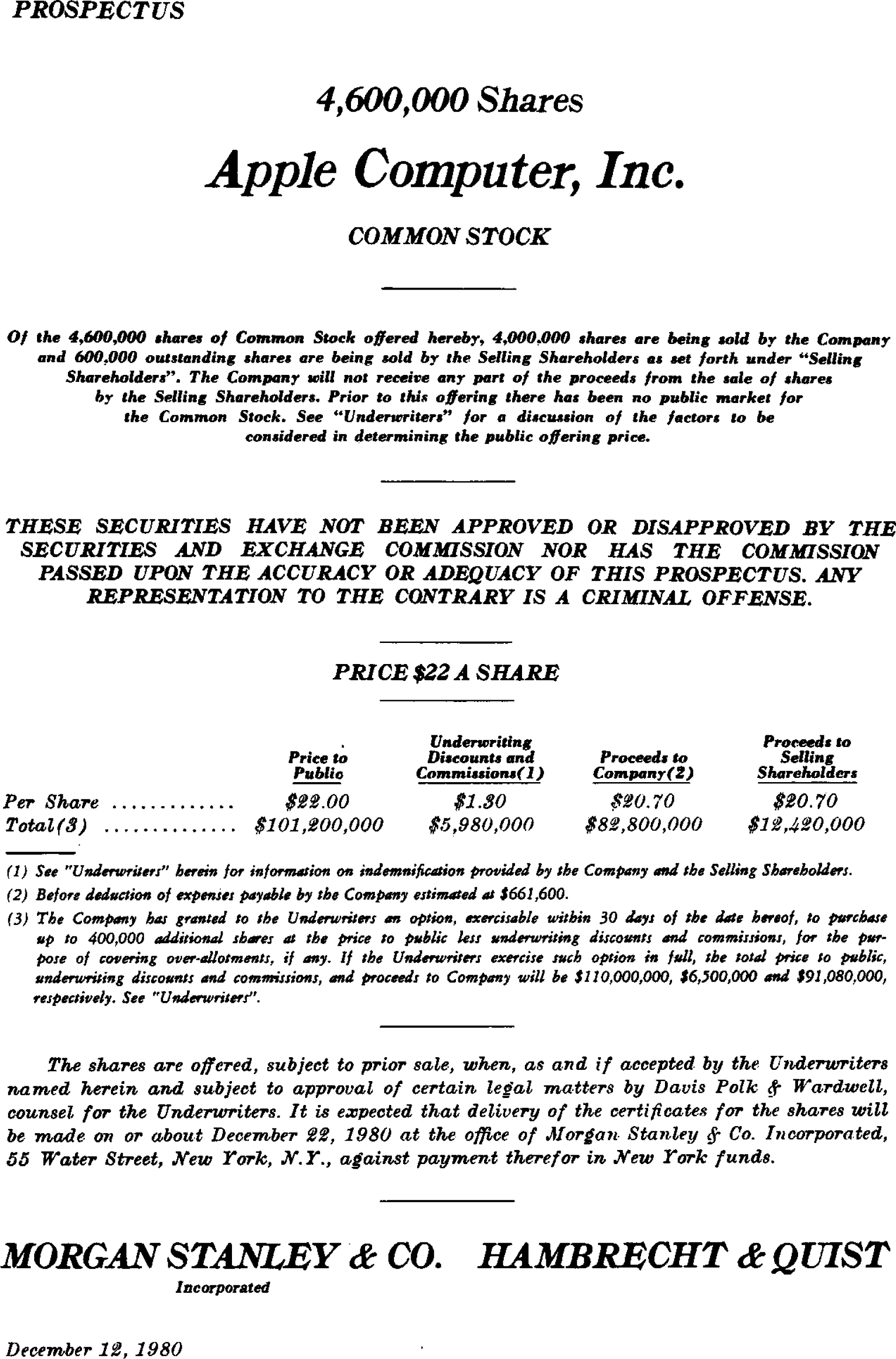
It might be that Apple went public on December 12, 1980 to celebrate his birthday. But who would know?

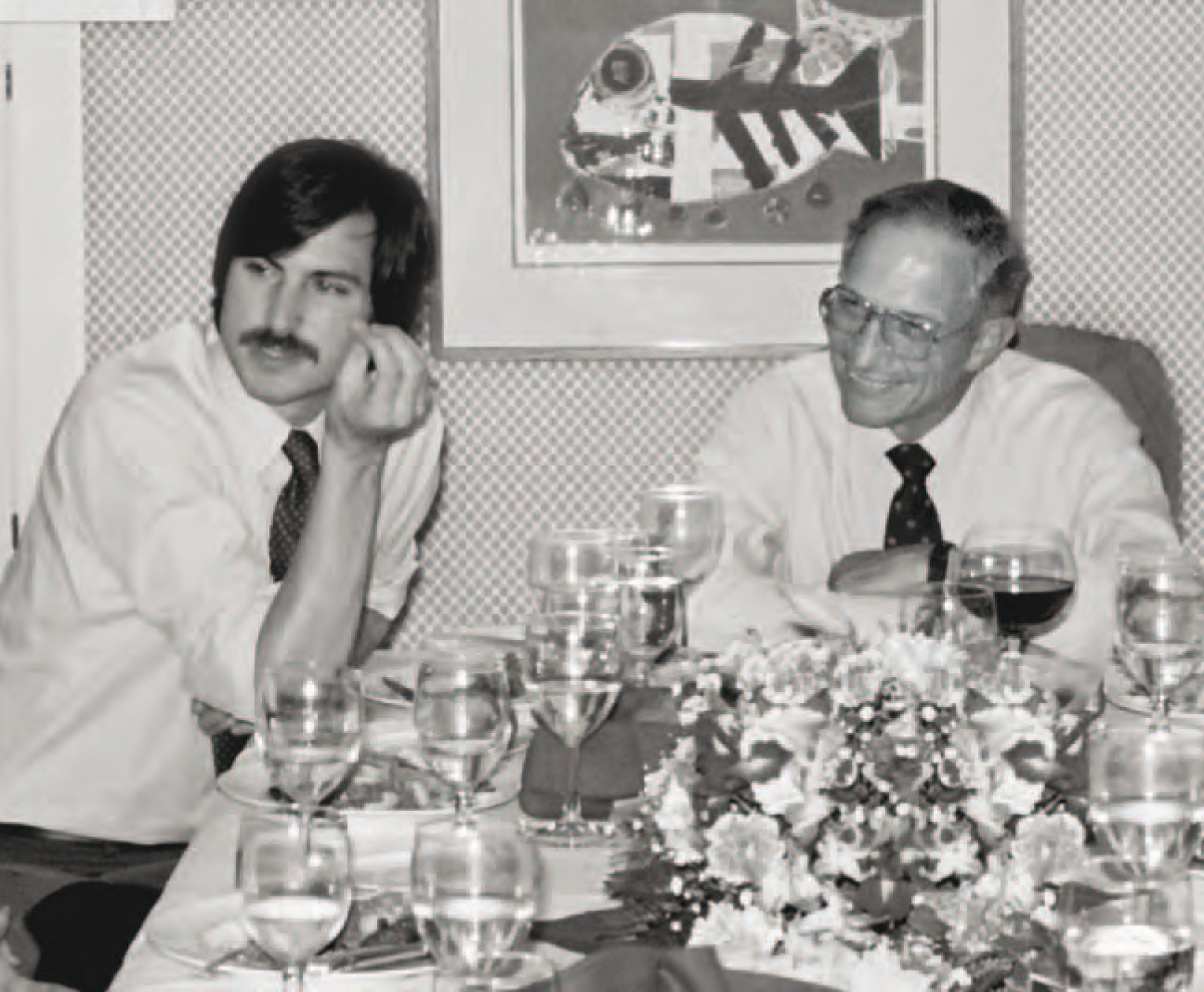
Why on earth do I make the link? Well, because as the next picture shows, Robert Noyce, the kid, better known as a co-founder of Intel and Fairchild, was a mentor for Steve Jobs…

Two EPFL Start-ups Take Off in Tandem with a corporate investor

Here’s my 6th contribution to EPFL‘sstart-up of the month

29.10.12 – Industrial or financial? For a start-up, the choice of an investor is crucial. Pix4D and senseFly, young offshoots of EPFL, provide a recent example of this dilemma.

We turn our attention to EPFL start-ups following two general stories in the entrepreneurial world. This month it is a question of not one but two young offshoots. Sensefly and Pix4D made headlines at EPFL this summer. It is indeed rare that an investor announces in one day the investment of capital in two of our start-ups. What’s more, the growing number of corporate investors in relation to venture capital investors represents an interesting trend.

Drones and 3D Images
SenseFly came out of the laboratory of Dario Floreano. You may have noticed these small airplanes crossing the skies over EPFL, as well as the start-up founders who pilot them remotely. A few years ago, I was impressed by these strange flying machines that automatically avoid obstacles. Pix4D is a spin-off from the laboratory of Pascal Fua, a specialist in image processing. They produce no equipment. Instead, they devised a method for constructing 3D images from disparate two-dimensional shots.

The investor is Parrot, which I had wrote about earlier this year: Parrot and Henri Seydoux, a French success. This French company of around 700 employees shows an annual revenue of around 250 million euros. Created in 1994, it went public in Paris in 2006. After its initial launch in voice recognition and hands-free kits for cars, its founder and CEO Henri Seydoux saw the need to diversify its activities. He bought a multitude of start-ups in fields connected to the heart of his business: wireless telecommunications, image processing, games, sensors. On their own, senseFly and Pix4D began collaborating at the beginning of this year, and Parrot found a synergy with both companies. Given that, the announcement of the simultaneous investments makes perfect sense.

The Tricky Choice of an Investor
I don’t know if the heads of Pix4D and Sensefly deliberately selected a manufacturing partner over a financial one. In any case, this decision is far from easy. All founders have to weigh the options when looking for an investor. A financier has only a return on the investment on the brain, and often over a short-term. A corporate investor thinks more strategically, but at the risk of being more selfish. In contrast to a financier, the corporate investor generally does not want to see partners working with the competition. The consequences of this choice, therefore, are critical to the development of the start-up.

The good news is that start-ups in recent years seem to receive more funding in their early stages, without having to wait for revenues and clients to prove their potential. It is even more exceptional that through collaborating, two EPFL start-ups improved their commercial potential.

Hopefully future entrepreneurs will be encouraged by this favorable environment. Let me conclude by quoting J.C. Zufferey, co-founder of senseFly: “We appreciated and benefitted from the support of PSE, FIT, Venture Kick, and CTI in this adventure. I think EPFL must not relent in its efforts to train, motivate, support, and coach young entrepreneurs. This is the price to gradually develop a culture of innovation in a country where people are naturally afraid of trying.”

Deezer, a new French success story?

I do not often talk about french start-ups, but after my recent blog on Parrot, it would be a mistake not to mention Deezer’s latest financing round. If you do not know Deezer’s music service, just try it!

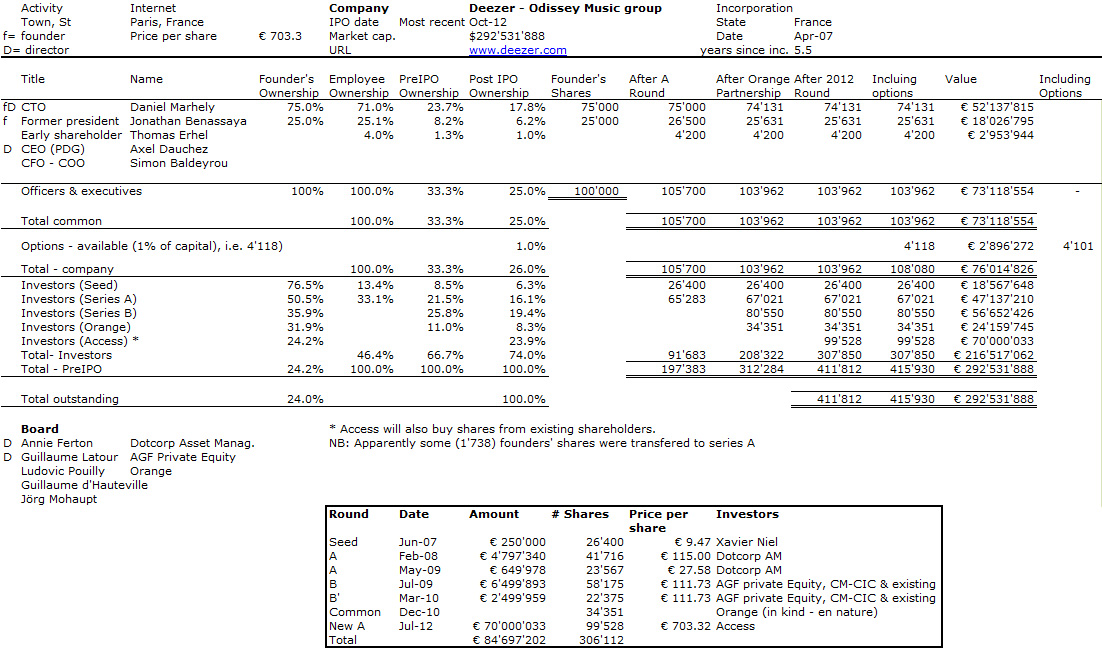
Deezer has been founded by two young French entrepreneurs (28 and 32 at the time of foundation), its seed investor was Xavier Niel, the famous founder of Free, and was backed by AGF Private Equity, DotCorp (the holding of the Pixmania founders) as well as Orange. It made a lot of buzz yesterday when it announced its new huge round with Access Industries, the owner of Warner Music. The beauty of private companies in France is that, though they are not public, you can find information of their shareholders thanks to Infogreffe, the French register of commerce. It will only cost you a few Euros. So… here is the cap. table I could build from the info I grabbed. Not fully accurate probably. I do not have the CEO or COO shares. And Access may buy more shares from existing shareholders (which may explain why the news mentions a $130M round and not €70M I have in the table).

Not a success story yet, but promising for sure!


Click on table to enlarge

A Quiz to New 2012 EPFL Students

Each year, I have a small tradition of giving a start-up-related quiz to new EPFL students. Here it was:

I was in Helsinki last week and there, the chairman of Nokia gave a talk. “The world is in crisis and the only way we will solve our challenges is with creative people and entrepreneurs. […] Therefore entrepreneurship should be cherished, it is not a profession, it is a state of mind. […] Again it is a state of mind.”

EPFL 1st mission is teaching, its 2nd mission is research. Its maybe-lesser-known 3rd mission is innovation and technology transfer, which includes entrepreneurship. If you have creative ideas, we are here to support you. More on http://vpiv.epfl.ch/innogrants

To show you that that has been understood at the top of the best universities, both the President of Stanford University and the President of EPFL have been entrepreneurs, they have been the founders of 3 start-ups each. I will offer a bottle of champagne to the first student who sends me via email the names of these 6 companies. I am Herve Lebret and I support entrepreneurs at EPFL.

The answer may be found here, and more importantly, I will come back on Risto Siilasmaa’s talk – the chairman of Nokia.

Parrot and Henri Seydoux, a French success story

It is in discovering the Parrot investment in two EPFL start-ups, senseFly and Pix4D, that I was reminded a start-up which recent success I did not know. I am sometimes very much disconnected! I had indeed met its founder, Henri Seydoux, in one of these start-up conferences that were popular in the late 90s. The start-up had already received support from Sofinnova, but it was less than 5 years old and was far from its € 250 million turnover achieved in 2011 and its 700 employees it has hired since!

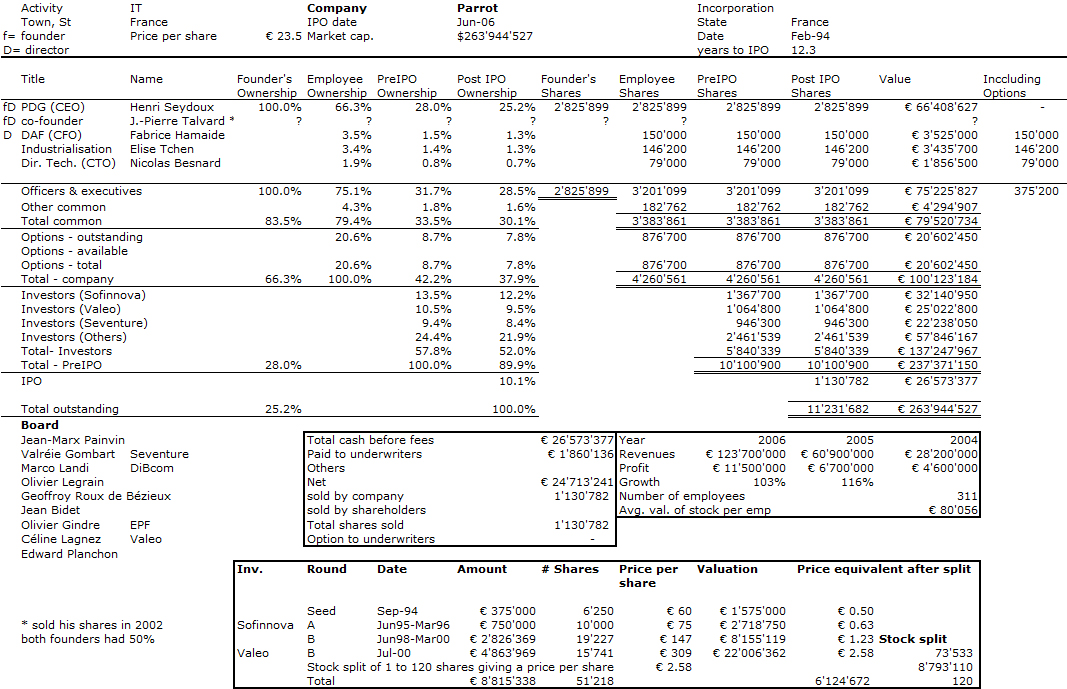
As usual, I could not help but get its IPO filing document, and also some older material on the French register of commerce, which allowed me to build the following capitalization table.


(Click on image to enlarge)

To learn more about Parrot, the following video is quite refreshing …

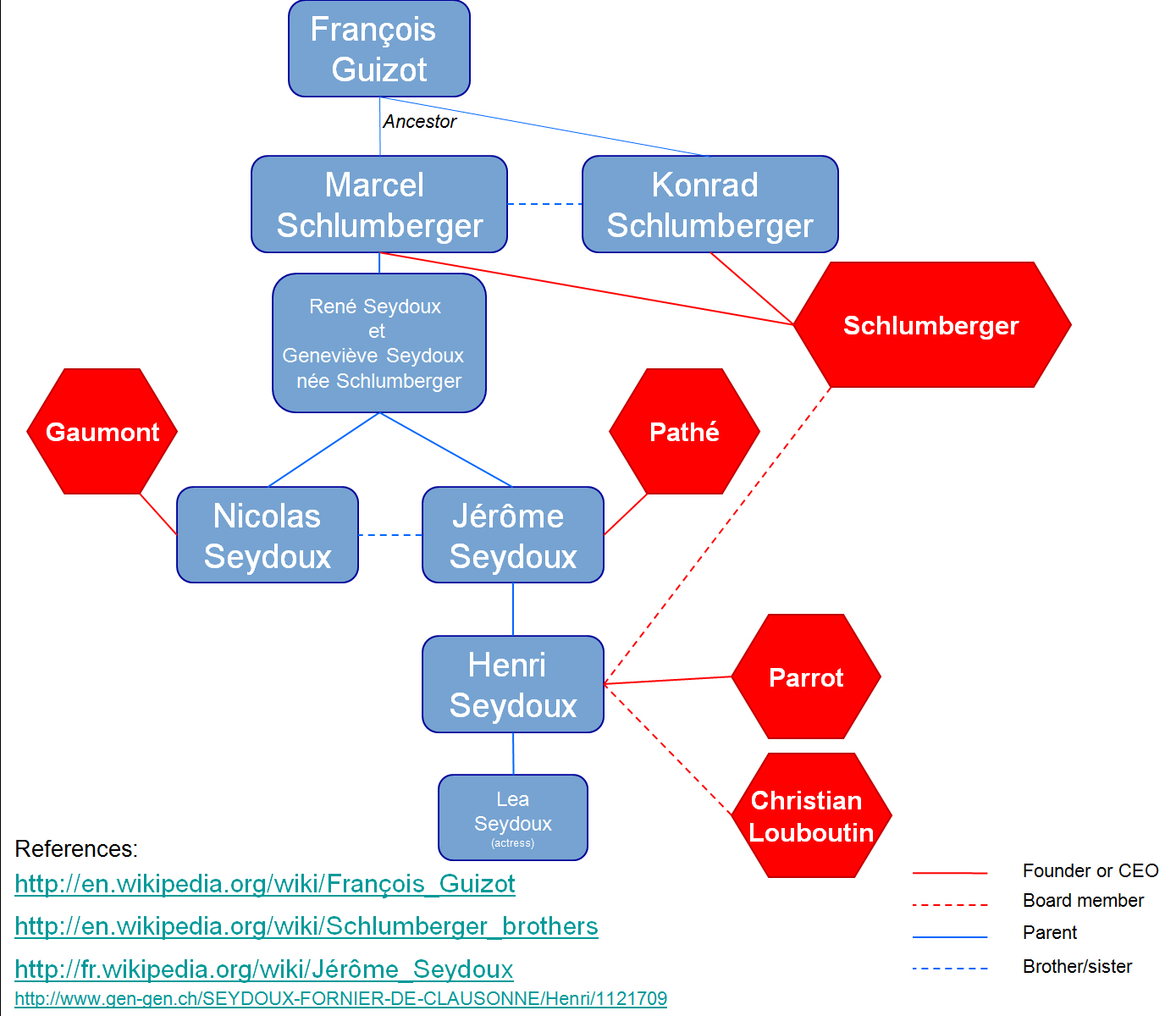
Finally, I also wanted to try to learn more about Henri Seydoux, intrigued by a fairly famous family name in France … this work is probably closer to the tabloids than this blog but hey, I find the genealogy interesting!

(Click on image to enlarge)

What’s a start-up worth, or reflections on Facebook’s IPO fiasco

Here’s my 5th contribution to EPFL‘s “start-up of the month

When its IPO was announced last February, everyone agreed that Facebook was worth somewhere in the ballpark of $100 billion. Today, Facebook has lost 40% of its value – how is this possible?


Facebook a perdu plus de 40% de sa valeur

Facebook, unfortunately, isn’t an EPFL start-up, but the controversy surrounding its overvalued stock market debut (Initial Public Offering, or IPO) nonetheless provides a good opportunity to discuss the value of a start-up, in particular, spin-offs from EPFL laboratories.

A company’s value cannot truly be measured scientifically, even though there are techniques that try to do this via revenues and profits – Logitech and Swissquote, who have historical connections with EPFL, are measured like this. The law of supply and demand rules here: the value of a company is the product of the number of shares and the price per share. Companies listed on the stock exchange are thus hostages of the market and its moods.

When companies are not listed on the stock exchange, as is the case in the majority of start-ups, they can still be valued. Interested readers can learn more in the article “Equity Split in Start-ups.” When EPFL start-ups like Eelcee, Abionic, Aleva and Kandou (see previous articles) recently announced they were looking for financing, they were valued by their investors, even though there was no market in which to buy shares. Switzerland, however, provides some information via the registre du commerce (commerce registry) in which each start-up registers the change in its number of shares. From there, if you know the amount of money that has been raised, you can deduce the price per share and thus the value of the company. But I personally wouldn’t make the calculation, out of respect for the discretion desired by the entrepreneurs and the investors.

Again, value is just a subjective thing that depends on the good will of the investors. Facebook, like Google ten years ago, didn’t completely abide by Wall Street’s rules, by which a company agrees to be under-valued at its IPO so that the ensuing trading result in an upward curve. So far, it’s just simple speculation, and we’ll have to wait several years before we know whether or not Facebook’s IPO was a failure or not.

Our start-ups have a similar problem. I’ve known many entrepreneurs who prefer that their companies have the best possible value when they were looking for funding. They forget that the only real value is that which is created over the long term by their products or services, and that the value of a company is a very volatile thing, as Facebook just illustrated so well. Entrepreneurs tend to retain the lion’s share of their companies, even though by doing this they also seem to be ignoring Logitech founder Daniel Borel’s advice: “We prefer a little pie that we control completely to a big pie that we only control 10%, and this can be a limiting factor.”

I’m convinced (even though I’m often wrong) that Zuckerberg’s impact will be similar to Brin and Page’s. Here in Switzerland, I hope that local companies are created whose value is on a par with those of Daniel Borel, Mark Bürki and Paolo Buzzi.

References

Facebook Finally Files For $5B

Facebook data today

Logitech

Swissquote

Equity split in start-ups

Eelcee and composites


Two million Swiss francs for an allergy-detecting device

Swiss register of corporations

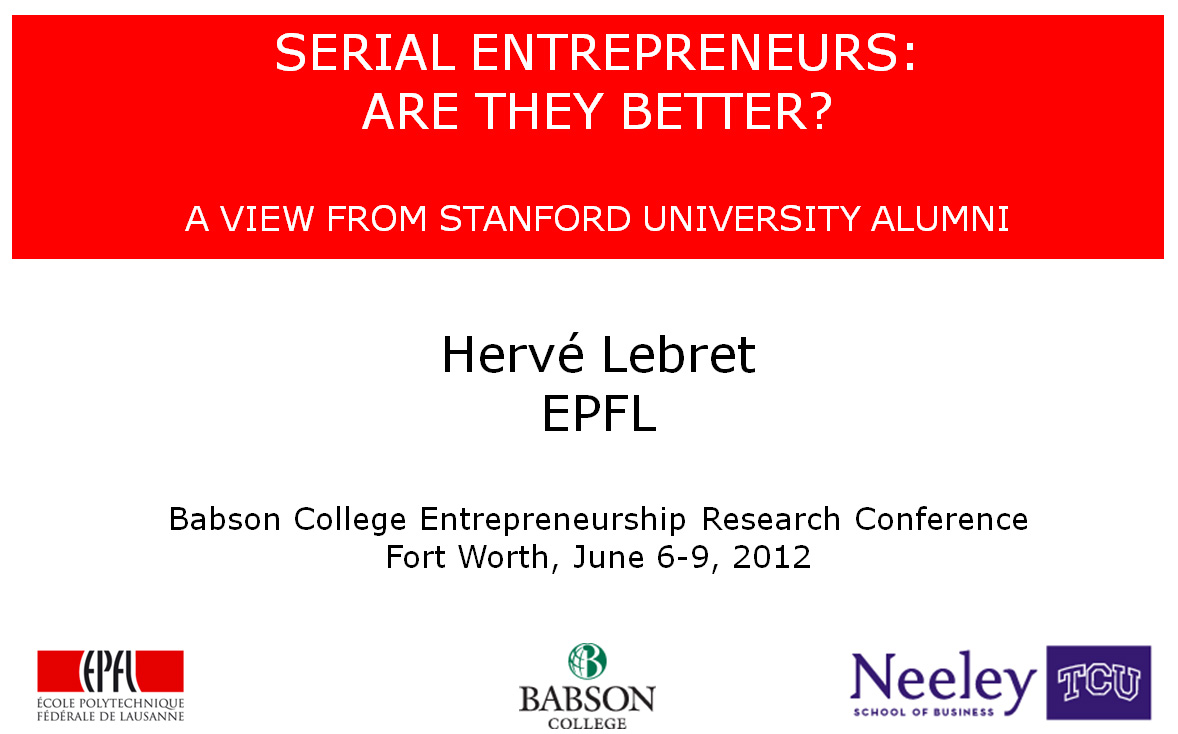
Serial entrepreneurs: are they better?

Are serial entrepreneurs better than novices? This is a classical topic in entrepreneurship and it seems to me that urban legend says yes! There has been academic research going that way, with one major argument being that experience matters. However, I just finished my own analysis which I presented at the BCERC conference in Fort Worth (Texas). It is based on my previous work related to Stanford related start-ups: Stanford University and High-Tech Entrepreneurship: An Empirical Study (you can have a look here at the presentation and the article). The article on serial is available on the SSRN network and you can have a look at the presentation in pdf below.


click on picture to view the pdf slides

And the conclusion? I do not find evidence that novice entrepreneurs would be less performant. It is a “work in progress” but if you have a look at the slides, you might see it in particular on slides 7, 9 or even 20. Slide 7 shows average performances according to experience. Slide 9 (q-q graphs) sshows something else: serial founders would do worse with time. Finally slide 20 that serial successful in the past have a new success rate of about 28-29 % which is similar to novices (the novice figure is not on the slide), whereas serial who failed before have a lower success rate. As if talent mattered more than experience…

Start-ups hiding six feet under

Here’s my 4th contribution to EPFL‘s “start-up of the month

03.06.12 – The fear of failure probably explains the absence of a “European Google”. Whereas, on the other side of the Atlantic, start-ups are born and die in full view of everyone, their counterparts in Europe hang on for dear life, sometimes even when it doesn’t make sense to do so.

The fourth start-up of the month doesn’t exist! At least not at EPFL, nor in Switzerland or in Europe. I mean those start-ups that fail. European start-ups are a real paradox. We often complain about not being able to create successes like Google, Apple or Facebook, but on the other hand we don’t have any big failures either! In his doctoral work published in 2011, Sven de Cleyn – a researcher specialized in technology transfer – demonstrates that less than 10% of European academic start-ups close down [1]. In a survey dating from 2008, ETHZ produced similar metrics, with an activity rate of 88% [2]. EPFL is therefore no exception to the rule.

In fact, this strange phenomenon can easily be explained. European start-ups focus on survival, to the point that Sven de Cleyn had to use this parameter to define success. Failure is so culturally stigmatized that it must be avoided, almost at all cost. This is one of the fundamental reasons behind the difficulties we experience. In the excellent film Something Ventured, the Californians, followers of a Manichean way – success or death – call start-ups the “living-dead”!

Yet, failure is far from being a bad thing – it is actually necessary. Who didn’t fall several times while learning to ski, roller-skate or simply ride a bike? How could we manage not to fail in the far more complex task which involves bringing a technology or innovative product on to the market? Schumpeter, the famous innovation economist, had created the concept of “creative destruction”, explaining that the new replaces the old, and that this is in fact a good thing. He used a striking image to illustrate this: “It’s not an owner of stage-coach lines who is going to build railways!”

In his famous speech at Stanford in 2005, Steve Jobs echoes this sentiment: “Remembering that I will soon be dead is the best tactic I have ever used to help me make the important choices in my life. Because almost everything – expectations, pride, fear of embarrassment or failure, all these things – evaporates in the presence of death, leaving only what really matters. Remembering that you are going to die is the best way I know of avoiding the trap of thinking that we have something to lose.”

So, you may say that that’s easier to say than to do! It’s certainly very difficult to bring up past failures or to cite examples, as entrepreneurs are reticent to confess such things. I could mention a few myself, but without having the consent of the people concerned. I could almost have called this article “Desperately Seeking Start-up Failures”!

It seems that start-ups, like the mythical thorn birds, look to hide away in a thorn bush and impale themselves. We never organize proper funerals for those who fail, but now FailCon has done away with this taboo. This one-day conference is aimed at technology entrepreneurs, investors, developers and designers. It’s dedicated to the study of their own and others’ failures, as a preparation for success. During the first event held in San Francisco in 2011, Vinod Khosla, the famous venture capitalist, admitted having more often failed than succeeded. Failure in not desirable, it’s just part of the system, and it’s high time we integrated it accordingly. When will there be a FailCon in Switzerland?


[1] Sven H. De Cleyn, The early development of academic spin-offs: holistic study on the survival of 185 European product-oriented ventures using a resource-based perspective.University of Antwerp, 2011
[2] Oskarsson I., Schläpfer A., The performance of Spin-off companies at the Swiss Federal Institute of Technology Zurich. ETH transfer 2008.